
Many people face unexpected water issues at home today. Consequently, a vital financial question arises very often. Does renters insurance cover mold? Fortunately, the answer is mostly positive. However, you must understand your policy rules first. Therefore, this comprehensive guide explains everything clearly.
Understanding Your Policy Basics
To get payment, you must meet specific insurance conditions. Companies do not approve every single claim automatically.
Pros and Cons of Renters Insurance Mold Coverage
| Pros (What is Covered) | Cons (What is Excluded) |
|---|---|
| Pays for professional mold remediation if caused by a sudden and accidental covered peril (e.g., a burst pipe). | Rejects claims resulting from gradual water leaks, tenant negligence, or general lack of maintenance. |
| Covers the cost to replace your personal property ruined directly by the sudden mold outbreak. | Does not cover damage to the building’s physical structure (as that is the landlord’s strict responsibility). |
| Provides loss of use benefits, paying for temporary hotel stays if the apartment becomes totally unlivable. | Standard coverage limits are often quite low, typically capping remediation payouts between $1,000 and $2,000. |
| Allows you to purchase specific optional mold endorsements to easily increase your financial protection limits. | Completely excludes mold caused by everyday high humidity or failure to use bathroom ventilation fans. |
Covered Perils Explained
First, insurance companies always look for covered perils. A covered peril means a specifically approved disaster. For example, a hidden water pipe bursts suddenly. Subsequently, toxic mold grows inside your wet wall. In this scenario, your policy will usually help. The company provides money for the cleanup.
Sudden and Accidental Leaks
Furthermore, exact timing matters greatly for any claim. The initial water damage must be sudden and accidental. Suppose a heavy storm breaks your bedroom window. Rainwater instantly floods your expensive carpet. Consequently, mold remediation coverage applies perfectly here. Thus, you easily avoid huge cleaning bills.
When Does Renters Insurance Not Cover Mold?
Unfortunately, insurers reject many claims every single year. You must know these specific exclusions beforehand.
Negligence and Maintenance Issues
Conversely, standard policies reject claims involving gradual damage. Perhaps your bathroom sink leaks slowly for several months. Eventually, dangerous black mold covers the wooden cabinet. Because you ignored the initial problem, insurers deny payment. Routine maintenance remains your personal responsibility always.
High Humidity and Daily Living

In addition, normal indoor humidity causes big issues too. Many tenants take long, hot showers daily. If you never use a ventilation fan, mold appears. Naturally, insurance excludes this daily living problem completely. Instead, you must clean this mess yourself safely.
Landlord Responsibilities vs. Tenant Rights
Renters often confuse their duties with landlord obligations. Therefore, knowing the legal difference is extremely crucial.
Fixing Structural Water Damage
Next, let us discuss landlord responsibilities very carefully. Usually, property owners manage the main building structure completely. If a faulty roof leaks, they must fix it. Therefore, your landlord pays for structural repairs entirely. Moreover, they must handle the wall mold removal.
Protecting Your Personal Property
However, your personal property coverage acts quite differently. Structural problems might destroy your own furniture eventually. For instance, roof water ruins your expensive bed completely. Fortunately, your personal renters policy pays for your items. Thus, both parties handle very different damage types.
Handling Severe Mold Infestations
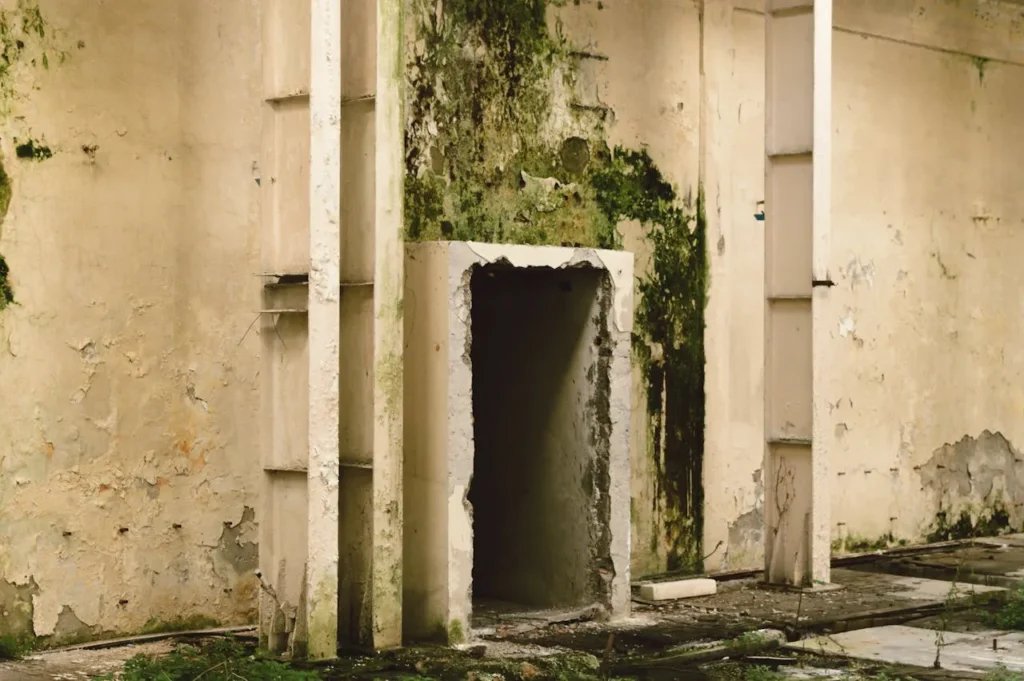
Sometimes, a massive outbreak makes your apartment totally unsafe. Fortunately, your policy offers extra financial safety nets.
Using Loss of Use Benefits
Consequently, you must leave the toxic apartment quickly. Luckily, policies include loss of use coverage for this. This excellent feature pays your temporary hotel bills. Additionally, it covers your extra daily food expenses. Therefore, you do not suffer financially during repairs.
Buying an Extra Mold Endorsement
Furthermore, standard payout limits often seem too low. Many companies cap mold payouts at two thousand dollars. Therefore, you should consider a specific mold endorsement. You can buy this extra coverage easily today. Ultimately, it provides excellent peace of mind.
Steps for Filing a Successful Claim
If you discover an infestation, you must act smartly. Quick action always improves your approval chances significantly.
Documenting the Damage Safely
First, photograph the exact water damage immediately. Do not clean the area before taking clear pictures. Otherwise, you destroy vital visual evidence forever. Subsequently, call your insurance agent right away. Quick reporting prevents further damage perfectly.
Professional Mold Remediation
Next, wait for the official insurance adjuster patiently. They will inspect the rented property thoroughly. Afterward, hire professional mold remediation experts quickly. These trained specialists remove toxins safely and effectively. Ultimately, smart action saves your health and wallet.
Frequently Asked Questions
Does renters insurance cover mold from a burst pipe?
Yes. If the mold is the direct result of a covered peril, such as a sudden and accidental burst water pipe, your renters insurance policy will typically cover the remediation costs and replace damaged personal belongings.
Will my policy pay if I leave the window open during a storm?
No. Standard insurance policies consider this to be negligence. If mold grows because you failed to protect the property from rain or moisture, the insurance company will deny the claim.
Does renters insurance cover mold caused by high humidity?
Usually, no. Mold resulting from poor ventilation, normal humidity, or everyday activities (like taking hot showers without an exhaust fan) is considered a maintenance issue and is excluded from standard coverage.
What is the typical payout limit for mold remediation?
Most standard renters insurance policies cap mold remediation payouts between $1,000 and $2,000. However, you can often purchase a specific mold endorsement to increase these limits if you live in a high-risk area.
1 thought on “Does Renters Insurance Cover Mold? Complete Tenant Guide”